
Buying a used car used to mean weekends lost to dealership visits, printouts of Carfax reports, and gut-feel decisions made under fluorescent lights. In 2026, that experience is being fundamentally rewritten — and artificial intelligence is doing most of the rewriting.
From the moment you start researching to the second you sign the paperwork, AI tools are reshaping every step of the used car buying journey. Whether you’re a first-time buyer or a seasoned car shopper, here’s what’s changed, why it matters, and how to make it work in your favor.
The Research Phase Has Completely Changed
Source: mycarchoice.com.au
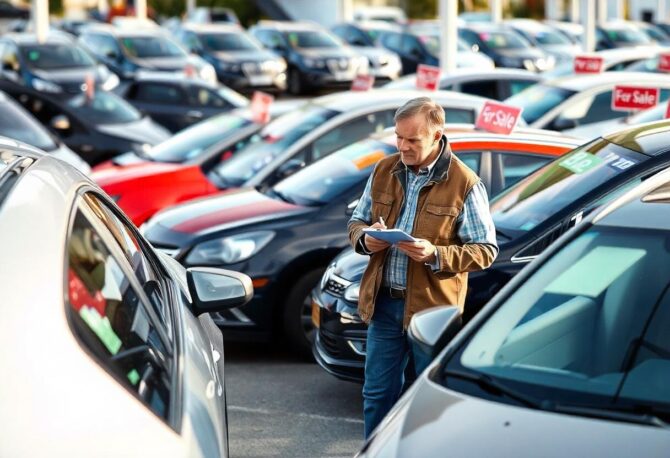
Not long ago, “researching a used car” meant tabbing between a dozen websites, comparing specs in a spreadsheet, and asking a friend who “knows about cars.” In 2026, a growing number of buyers skip that entirely and go straight to conversational AI.
According to a 2026 vehicle research study by Ekho, 30% of car shoppers now use generative AI tools — led primarily by ChatGPT — as part of their vehicle research process. These buyers are arriving at listings with higher intent and sharper questions than ever before, because AI has already helped them narrow down models, understand trade-offs, and set realistic price expectations.
Instead of running five separate searches, a buyer can now ask an AI assistant: “What are the most reliable compact SUVs under $22,000 with low ownership costs?” — and get a synthesized, conversational answer in seconds. The research phase that once took days is now compressed into hours.
For used car shoppers, this is genuinely good news. Better-informed buyers make fewer regrettable purchases.
AI-Powered Pricing: No More Guessing Games

Source: lifeinsuranceinternational.com
One of the most consumer-friendly AI innovations in the used car market is dynamic, real-time pricing intelligence. Platforms and dealers now use AI to track market conditions, regional demand, and comparable sales data — and those same tools are increasingly available to buyers.
Industry analysts at ACV Auctions note that AI-powered retailing tools are helping dealers “refine pricing strategies based on real-time data,” moving from gut instinct to data-driven decisions. What this means for buyers: prices are increasingly reflective of actual market value rather than whatever a salesperson felt like quoting that morning.
Smart shoppers are using this to their advantage. When browsing a used car marketplace, look for platforms that surface price analysis alongside listings — tools that tell you whether a vehicle is priced fairly, above market, or like a steal. That context, once only available to industry insiders, is now consumer-facing.
Edmunds data from 2026 also shows that used car inventory is growing again as more consumers finally trade in vehicles they held onto during the pandemic years. More supply means more room to negotiate — and AI pricing tools help you know exactly how much leverage you actually have.
Vehicle History Reports Are Getting Smarter
Source: help.carsales.com.au
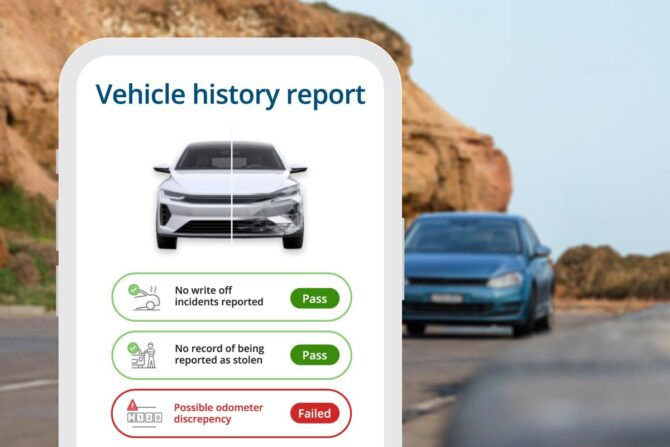
The old model of vehicle history reports — a static PDF listing accidents and title changes — is being replaced by AI-driven analysis that goes considerably deeper.
Platforms like VINspectorAI are using AI to cross-reference multiple data sources simultaneously, flagging undisclosed accidents, odometer rollbacks, and title washing that might slip through a standard database lookup. The AI doesn’t just surface data; it interprets it, turning raw records into clear, plain-English risk assessments.
AutoCheck’s updated fraud detection system, for instance, now flags suspicious patterns automatically — like a vehicle that somehow loses mileage between registrations (a classic sign of odometer tampering). Meanwhile, AI-powered inspection platforms like Click-Ins use photogrammetry and 3D modeling from just a few smartphone photos to detect both visible and hidden vehicle damage.
For buyers, this is a significant upgrade in protection. The practical advice: when shopping on any used car marketplace in 2026, prioritize listings that include AI-enhanced vehicle history data, and use third-party AI tools to verify independently before committing.
The Rise of Conversational Shopping

Source: avenue180.com
Another major shift: AI chatbots and virtual assistants have moved from novelty to genuinely useful shopping tools on the better used car platforms.
Rather than filtering through hundreds of listings manually, buyers can now describe what they’re looking for in plain language — “a family SUV under $25,000 with good safety ratings and low miles, ideally not a rental” — and have AI surface the most relevant matches. It’s closer to talking to a knowledgeable friend than operating a search engine.
This matters because car buying is still deeply personal. Budget, lifestyle, commute, family size, and even aesthetic preferences all factor in. AI doesn’t replace the human element — it handles the tedious sorting so you can focus on the decisions that actually require your judgment.
That said, a 2026 buyer behavior report from C-4 Analytics found that only 27% of shoppers currently trust AI as much as a human salesperson. Trust is still being earned. The takeaway for buyers: use AI as a research and filtering tool, but verify key decisions with your own inspection and — ideally — a trusted mechanic.
AI and the Test Drive: What Comes Next
AI hasn’t replaced the test drive yet, and it probably shouldn’t. Feeling how a car rides, noticing an unusual rattle, checking sightlines — those remain stubbornly human experiences. But AI is changing what happens before and after that test drive.
Before: AI tools can now analyze photos and listing data to flag potential issues worth checking in person. Some platforms generate custom “questions to ask the seller” based on a vehicle’s specific history and known model-year issues.
After: AI financing tools are helping buyers compare loan scenarios faster than any spreadsheet, factoring in interest rates, loan terms, and total cost of ownership to find the actual best deal — not just the lowest monthly payment.

Source: autocorp.ai
What to Watch Out For
AI is a tool, and like any tool, it can be misused. A few cautions for 2026 used car shoppers:
- AI-generated listings can be misleading. Some sellers are using AI to write listings that downplay issues or use vague language. Always cross-reference written descriptions with AI-verified vehicle history data.
- Pricing tools reflect averages, not absolutes. A car priced “at market value” by an algorithm might still be overpriced for its actual condition. Always get an independent inspection.
- Not all AI on car platforms is equal. Flashy chatbots that just restate listing information add little value. Look for platforms where AI is doing real analytical work — price benchmarking, fraud detection, personalized matching.
How to Use AI to Your Advantage Right Now
Here’s a practical playbook for used car buyers in 2026:
- Start with a conversational AI tool (ChatGPT, Claude, or similar) to research models, reliability data, and realistic price ranges before you look at a single listing.
- Shop on AI-powered platforms that provide transparent pricing context — not just the sticker price, but whether it’s fair for the market.
- Run an AI-enhanced vehicle history check before any serious purchase. Look for tools that cross-reference multiple databases and flag anomalies, not just surface-level title records.
- Use AI chatbots for filtering, not final decisions. Let AI narrow the field; use your judgment (and a mechanic) for the final call.
- Compare financing with AI tools that calculate true total cost, not just monthly payment — those are very different numbers.
The Bottom Line
Buying a used car in 2026 is measurably smarter than it was even two years ago — but only if you use the tools available. AI has shifted power meaningfully toward buyers: better information, fairer pricing, deeper vehicle history, and personalized search tools that respect your time.
The used car market is also healthier. With more inventory returning as deferred purchases finally come to market, and AI holding pricing more accountable to real data, it’s genuinely one of the better times in recent memory to shop for a quality pre-owned vehicle.
The technology won’t do everything for you — a final walkthrough, a test drive, and a pre-purchase inspection still matter. But for the hours of research, cross-referencing, and price negotiation that used to drain the process? AI has that covered.
Thinking about shopping for a used car? Start your search on a trusted used car marketplace that uses AI-powered pricing and vehicle history tools to help you buy with confidence.