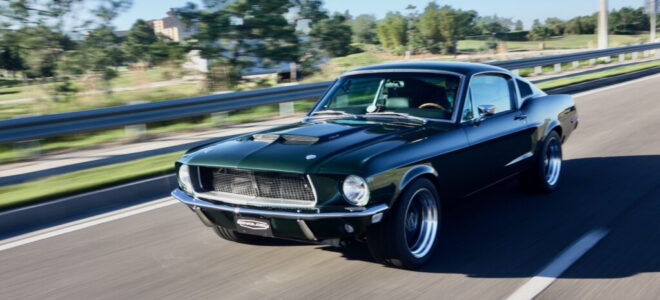
Few automobiles in American history carry the cultural weight and mechanical reverence of the Ford Mustang. Since its debut in 1964, the Mustang has evolved through generations of engineering ambition, design philosophy, and raw performance.
Whether you’re a seasoned collector, a weekend driver, or someone who simply appreciates the craftsmanship behind a great American muscle car, the Mustang’s story is one worth understanding deeply.
From its early pony car roots to its contemporary turbocharged and supercharged variants, the Mustang continues to define what it means to drive something truly iconic.
A Brief History of the Mustang’s Dominance
Source: velocityrestorations.com
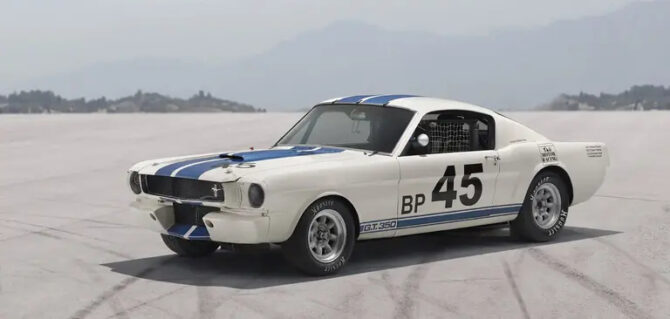
The Mustang was introduced to the public on April 17, 1964, at the World’s Fair in New York. Ford sold over one million units within the first two years — a record that stunned the automotive industry and established the pony car segment as a legitimate market force.
The early models were celebrated for their long hood, short deck design, and accessible price point that made performance feel attainable for everyday Americans.
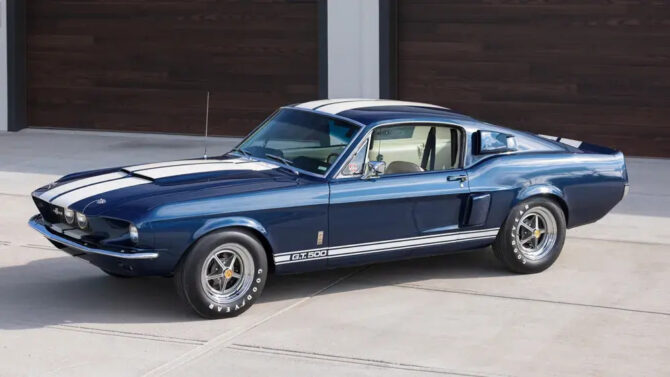
Through the late 1960s, the Mustang grew more powerful and more aggressive, culminating in legendary variants like the Boss 302, the Mach 1, and the Shelby GT500. These weren’t just cars — they were cultural statements.
The Muscle Car Era and Its Lasting Influence
The golden era of American muscle — roughly 1965 through 1973 — produced some of the most sought-after Mustangs ever built. High-compression V8 engines, aggressive body cladding, and race-derived suspension setups made these machines genuinely formidable on both the street and the track.
The Mustang’s rivalry with the Chevrolet Camaro and Dodge Challenger during this period pushed all three manufacturers to continuously raise the performance bar.
That competitive spirit never truly faded; it simply evolved alongside emissions regulations, fuel economy standards, and changing consumer expectations.
The 2018 Ford Mustang: A Modern Benchmark
Source: topgear.com
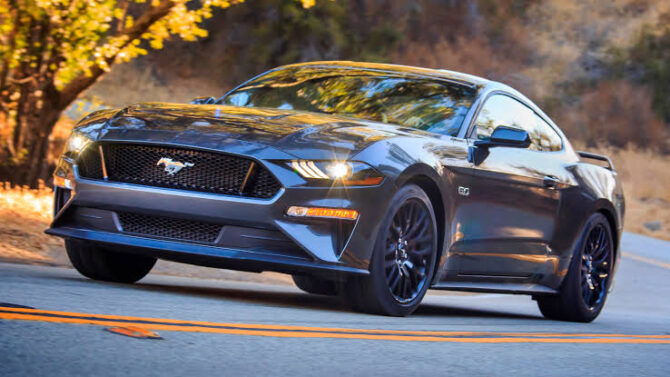
The sixth-generation Mustang, which carried through the 2018 model year, represented a significant leap forward in terms of technology, refinement, and global appeal.
Ford introduced independent rear suspension for the first time in the nameplate’s history, a move that dramatically improved handling dynamics without sacrificing the visceral character that Mustang fans demand.
The 2018 model offered a range of powertrains, from the turbocharged 2.3-liter EcoBoost four-cylinder to the thunderous 5.0-liter Coyote V8, giving buyers genuine flexibility depending on their priorities.
For those researching the specifics of the 2018 Ford Mustang’s release date and pricing, the model arrived with a starting MSRP that made it competitive against both domestic and imported sports cars, while the GT350 and GT350R variants pushed the performance envelope into near-supercar territory.
Performance Upgrades That Defined the Generation
Beyond the powertrain options, the 2018 Mustang introduced MagneRide damping technology on performance trims, allowing drivers to toggle between comfort and track-ready suspension settings with the press of a button. Line Lock, launch control, and a rev-matching manual transmission were also available — features borrowed directly from motorsport applications.
The Shelby GT350 variant, equipped with a flat-plane crank 5.2-liter V8 producing 526 horsepower, became one of the most technically sophisticated naturally aspirated engines ever fitted to a production Mustang. These advancements signaled that Ford was no longer content to simply trade on nostalgia; the modern Mustang was engineered to compete on merit.
What Makes the Fastest Mustangs So Extraordinary
Speed has always been central to the Mustang’s identity, but the fastest variants in the nameplate’s history represent something beyond mere horsepower figures.
They reflect decades of accumulated engineering knowledge, aerodynamic refinement, and a willingness to push boundaries that most manufacturers wouldn’t dare approach in a production vehicle.
According to a comprehensive breakdown of the fastest Mustangs ever built, the progression from the original Shelby GT350 to the modern GT500 with its 760-horsepower supercharged V8 tells a story of relentless ambition.
These machines aren’t just fast in a straight line — they’re engineered to be fast everywhere, from tight corners to long sweeping bends on a closed circuit.
Supercharging, Tuning, and the Aftermarket Ecosystem
One of the Mustang’s most enduring strengths is the depth of its aftermarket support. Few platforms in automotive history have inspired the level of tuning culture that surrounds the Mustang.
From bolt-on supercharger kits to full engine rebuilds, the community of builders and enthusiasts who dedicate themselves to extracting maximum performance from these cars is vast and deeply knowledgeable.
This ecosystem has made the Mustang a favorite not just among casual drivers but among serious performance builders who want a platform with proven potential and widespread parts availability.
Revology Cars: Reimagining the Classic Mustang Experience
Source: forbes.com
For those who love the aesthetic and soul of the original Mustang but want modern reliability and performance underneath the hood, there is a company doing something genuinely remarkable.
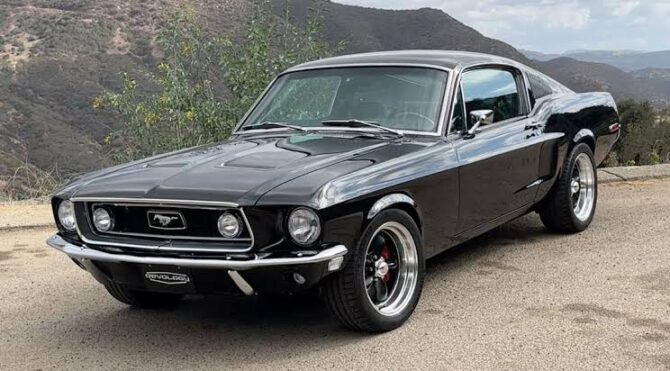
Revology Cars specializes in building factory-correct reproductions of classic 1960s Ford Mustangs and Shelby models, meticulously crafted with period-accurate styling but equipped with contemporary drivetrains, safety systems, and creature comforts.
The result is a driving experience that honors the original without the mechanical unpredictability that often comes with owning a vintage automobile.
Revology’s approach appeals to collectors who want the look and feel of a golden-era Mustang without sacrificing the dependability expected from a modern vehicle.
Craftsmanship That Bridges Eras
What sets Revology apart from traditional restorers is the level of engineering integration involved in each build. These aren’t simple restorations with a few modern touches — they are ground-up constructions that use new body panels, updated chassis geometry, and modern fuel-injected engines to deliver a driving experience that feels both authentic and contemporary.
Every detail, from the instrument cluster to the door seals, is considered with the same obsessive attention that defined the original factory cars.
For enthusiasts who have always dreamed of owning a pristine 1966 Mustang fastback but want air conditioning, power steering, and a reliable fuel system, Revology represents the ideal solution.
The Enduring Appeal of the American Muscle Car
The Mustang’s continued relevance in an era of electric vehicles and autonomous driving technology speaks to something deeper than nostalgia. It represents a philosophy about what driving should feel like — connected, purposeful, and emotionally engaging.
Whether you’re drawn to the raw mechanical simplicity of a 1965 coupe, the track-focused precision of a 2018 GT350R, or the bespoke craftsmanship of a modern reproduction, the Mustang offers a version of itself for virtually every type of enthusiast.
That breadth of appeal, sustained across six decades, is what separates the Mustang from nearly every other nameplate in automotive history.
Conclusion
Source: shelbystore.com
The Ford Mustang is more than a car — it is a living document of American automotive ambition. From the assembly lines of Dearborn in 1964 to the precision workshops producing modern reproductions today, the Mustang’s story is one of constant reinvention without ever losing sight of its original character.
Whether you’re exploring the specifications of a specific model year, researching the fastest variants ever produced, or considering a beautifully crafted reproduction that blends vintage style with modern engineering, the Mustang universe rewards curiosity and passion in equal measure. Few machines in history have earned that distinction so completely.